
In the rapidly evolving 2026 cosmetic market, the demand for high-performance makeup sponges continues to surge, driven by the global expansion of the “clean girl” aesthetic and professional-grade home makeup routines. For B2B buyers—including distributors, private label owners, and retail procurement managers—understanding the distinction between the “Beauty Blender” brand and the “Beauty Egg” category is critical for inventory strategy and profit optimization.
This guide breaks down the technical, commercial, and logistical differences to help you navigate the 2026 sourcing landscape.
Chapter 1: Brand vs. Category – Decoding the Terminology
Navigating the wholesale landscape requires a clear understanding of market positioning. While consumers often use these terms interchangeably, they represent two fundamentally different business models.
What is Beauty Blender? (The Premium Benchmark)
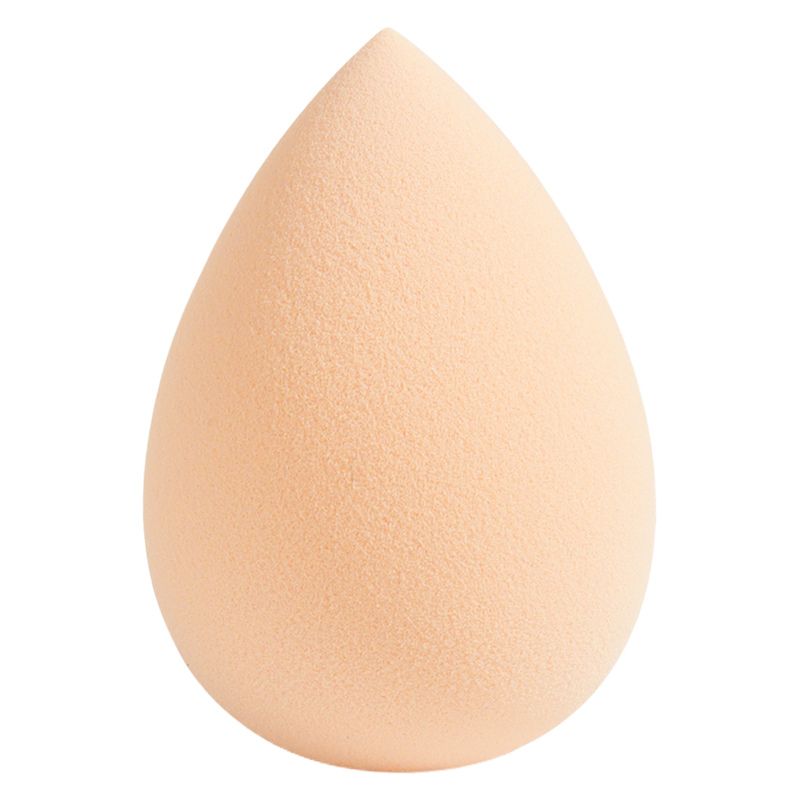
The Beauty Blender is the trademarked pioneer of the teardrop-shaped sponge.
Market Position: High-end retail (Sephora, Ulta).
Technical Edge: Known for its “open-cell” structure that holds water like a sponge but stays firm enough for high-definition blending.
B2B Reality: As a reseller, you face fixed MSRPs and limited margins. You are buying “brand equity.”
What is a Beauty Egg? (The Customizable Powerhouse)
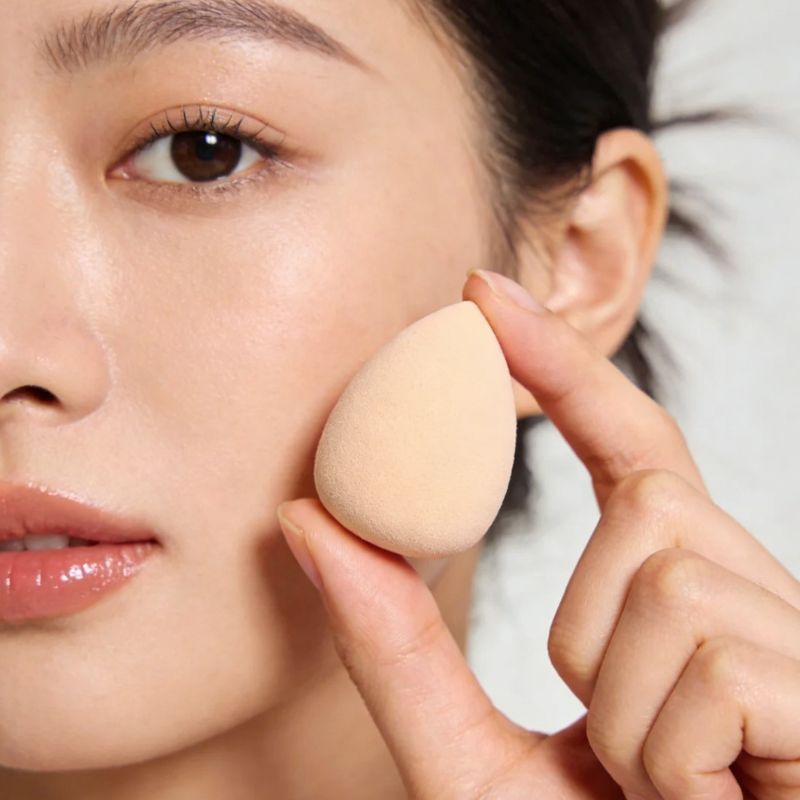
A Beauty Egg refers to the broader category of egg-shaped cosmetic applicators. In 2026, this category has outpaced the original brand in terms of innovation.
Market Position: Versatile (Mass market, Professional, and Boutique).
Material Innovation: Now includes Microfiber, Bio-based foams, and Rubycell technologies.
B2B Reality: This is where the highest ROI lies. Direct-from-factory sourcing allows for bespoke specifications.

Chapter 2: 2026 Technical Deep-Dive – Materials & Performance
In 2026, a “soft sponge” is no longer enough. B2B buyers must understand the chemistry behind the product to ensure quality.
1. The Rise of Hydrophilic Polyurethane (Latex-Free)
The standard for 2026 is Hydrophilic Polyurethane. Unlike older latex sponges, this material:
Expansion Ratio: High-quality eggs should expand 1.5x to 2x their size when wet.
Pore Density: “Micro-pore” technology ensures the sponge doesn’t “eat” the expensive liquid foundation, saving the end-user money.
2. New Material Contenders
Plant-Based Bio-Foam: Made from corn or sugarcane starch, catering to the massive eco-conscious demographic.
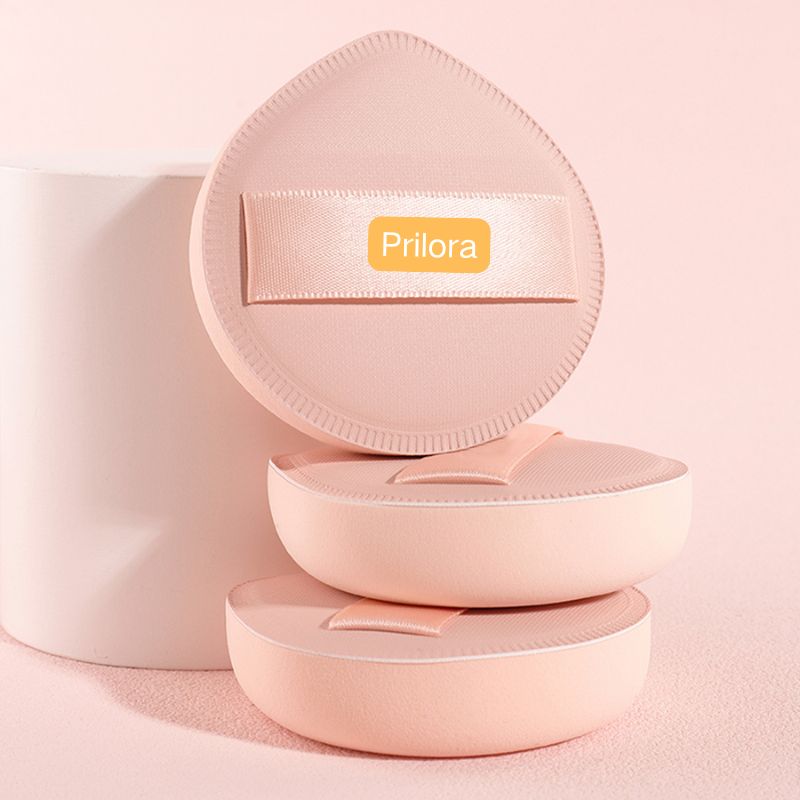
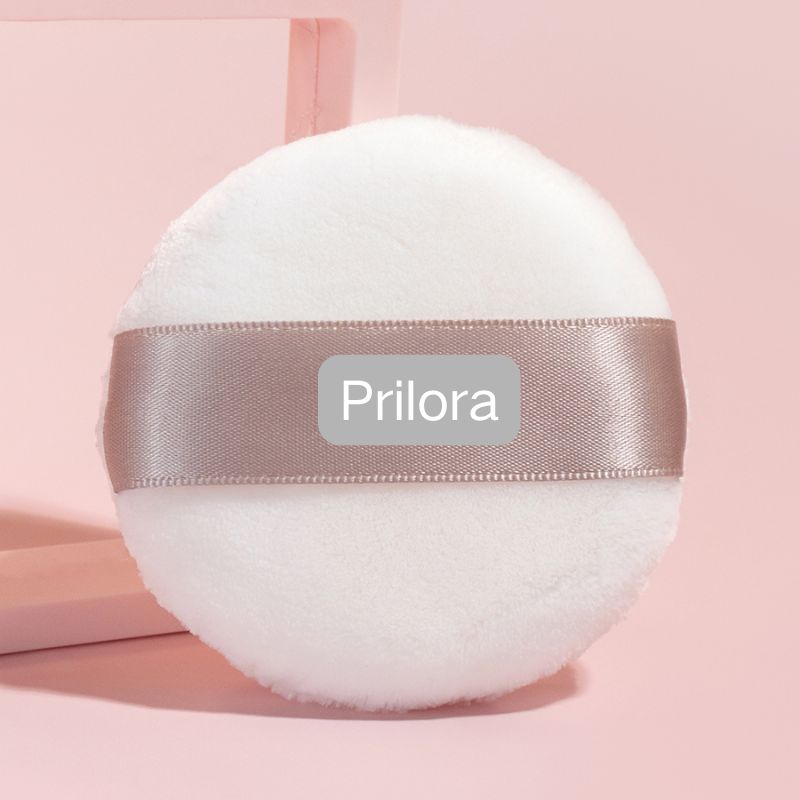
Microfiber Flocked Sponges: These feature a “fuzz” layer that provides the coverage of a brush with the finish of a sponge—ideal for high-coverage powder products.
Silicone-Core Hybrids: A silicone center prevents product absorption while the outer foam provides a seamless blend.
Chapter 3: The Commercial Opportunity – Why “Beauty Egg” Wins in 2026
For 2026, the global shift toward Private Labeling (OEM/ODM) makes the generic beauty egg a superior choice for scaling.
1. Massive Profit Margins
When sourcing makeup sponges wholesale, the unit cost can range from $0.20 to $0.80, while retail prices for “premium” generic eggs sit between $5.00 and $12.00. This allows for a 500%+ markup, providing the capital needed for aggressive marketing.
2. Supply Chain Agility
Working with a Beauty Egg manufacturer allows you to pivot. If “lilac purple” becomes the color of the season, you can update your inventory in weeks. With a global brand, you are stuck with their seasonal release schedule.
3. Customization & Brand Storytelling
Laser Engraving: Add your logo without using ink (more eco-friendly).
Infused Ingredients: 2026 trends see sponges infused with Vitamin E, Aloe Vera, or Charcoal to add skincare benefits to the application process.
Chapter 4: Your 2026 Sourcing & Quality Control Checklist
To avoid the “cheap foam” trap, use these criteria when vetting manufacturers:
1. Compliance & Safety
REACH/RoHS Certified: Essential for the European market.
SGS/TUV Audited: Ensures the factory meets international labor and quality standards.
Antimicrobial Treatment: In 2026, buyers expect sponges to resist mold and bacteria for at least 30 days of use.
2. Shape Diversity for Higher AOV (Average Order Value)
Don’t just stock the teardrop. A diverse portfolio increases sales:
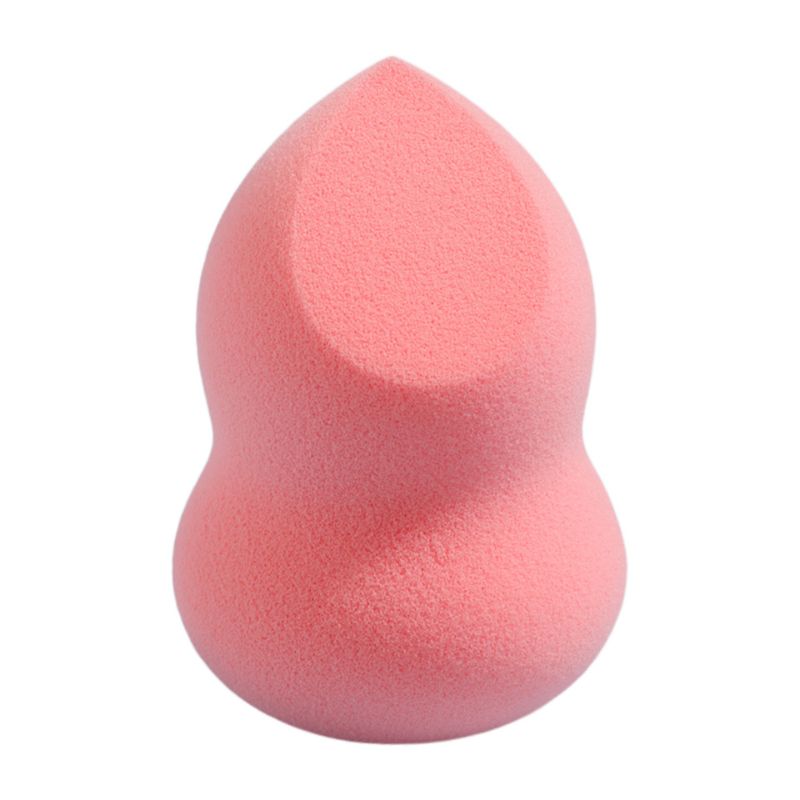
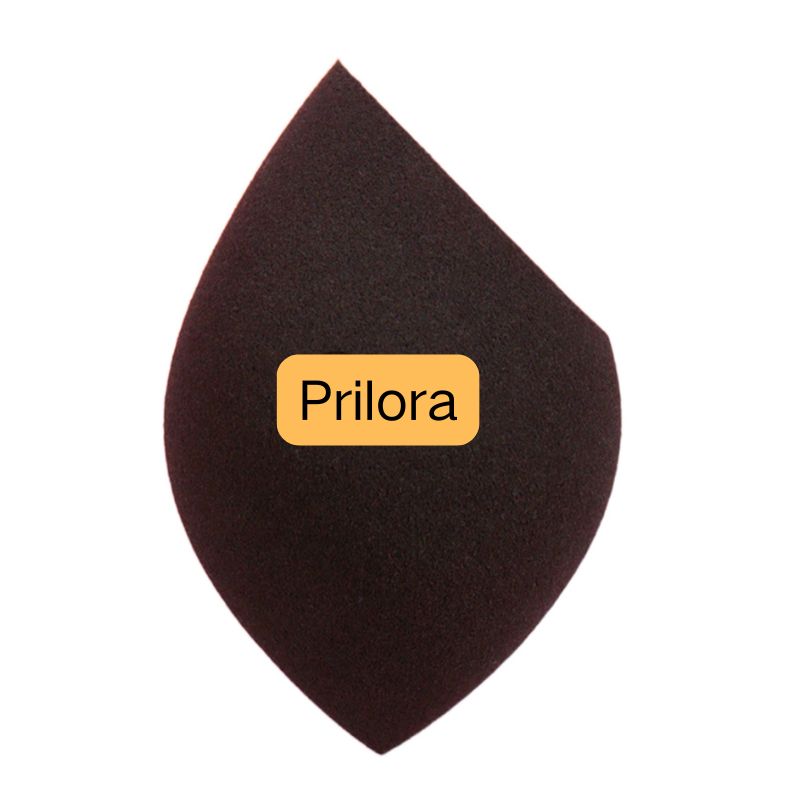
The Oblique Cut: Best for “baking” and heavy contouring.
The Pear Shape: Provides a better grip for beginners.
The Precision Mini: Specifically for inner-eye concealer and nose-bridge highlighting.
3. Sustainable Packaging (The 2026 Mandate)
B2B buyers should prioritize:
FSC-Certified Paper Boxes.
PCR (Post-Consumer Recycled) Plastic.
Reusable “Dry & Store” Capsules: These add perceived value and solve the hygiene issue for the consumer.
Conclusion: The Final Verdict
While the Beauty Blender remains a prestigious icon, the Beauty Egg category represents the future of the B2B cosmetic industry. For wholesalers and brand owners in 2026, the path to profitability lies in customization, material innovation, and sustainable scaling.
By building your own brand around high-quality “eggs,” you aren’t just selling a tool—you are building an asset.
Frequently Asked Questions (FAQ)
Q: What is the average lead time for a custom wholesale order in 2026? A: For standard shapes, 15–20 days. For custom molds and private label packaging, expect 30–45 days.
Q: How do I test sponge quality from a sample? A: Perform the “Bounce Test” (resiliency), the “Expansion Test” (water absorption), and the “Squeeze Test” (pore consistency). A high-quality sponge should return to its original shape instantly.
Q: Is the market for makeup sponges saturated? A: No. While there are many players, the shift toward eco-friendly materials and specialized shapes has opened a new “Blue Ocean” for 2026.

3D Makeup Sponge
3D Makeup Sponge – Premium Quality, Bulk-Ready for Global [...]

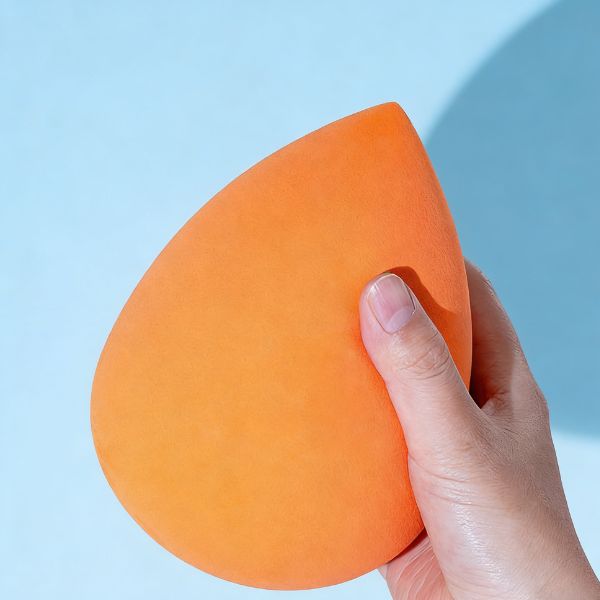
Giant Makeup Sponge
Giant Makeup Sponge Manufacturer The Giant Makeup [...]
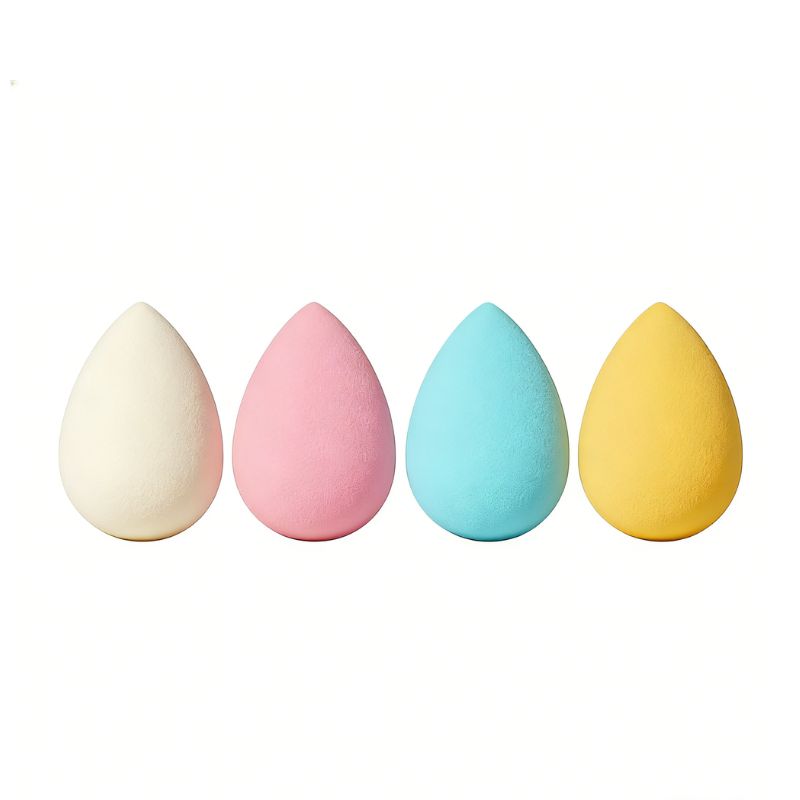
Beauty Eggs Make Sponge
Beauty Eggs – OEM Latex Free Makeup Sponge [...]
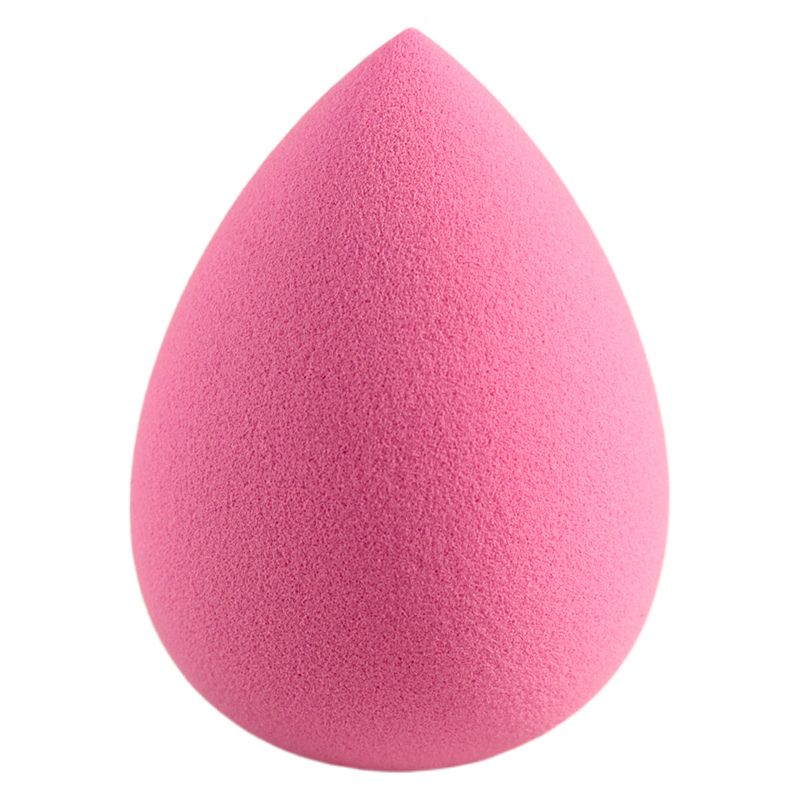
Latex Free Makeup Sponge
Latex Free Makeup Sponge Our latex free [...]




 English
  French (France)
  French (Canada)
  Japanese
  Korean
  German
  Italian
  Spanish
  Arabic
  Dutch
Dutch