
Why Import Cosmetic Tools for Your Beauty Business?
Expanding your product line through global sourcing is a strategic move for any beauty brand. By importing cosmetic tools directly from specialized manufacturers, businesses can secure higher profit margins and gain control over product specifications. This approach allows brands to transition from simple retailing to becoming full-fledged product developers with a unique market presence.
Market Demand and Profitability
The global appetite for beauty tools—ranging from makeup brushes to facial rollers—shows no signs of slowing down. Consumers are increasingly investing in at-home spa experiences and professional-grade application tools.
- High Margins: Importing directly from the factory eliminates middleman markups, significantly lowering the cost per unit.
- Scalability: Access to wholesale pricing structures allows businesses to scale operations efficiently as demand grows.
- Trend Responsiveness: Direct relationships with manufacturers enable faster adaptation to market trends, such as the surge in demand for Gua Sha tools and eco-friendly bamboo handles.
Access to Innovation and Quality Manufacturers
Partnering with established manufacturers grants access to over a decade of industry expertise and specialized production capabilities. Professional factories invest heavily in R&D to offer the latest advancements in beauty technology.
- Material Integrity: Reliable suppliers guarantee the authenticity of raw materials, such as 100% natural Jade and Rose Quartz for facial tools or high-grade, cruelty-free synthetic fibers for brushes.
- Certified Standards: Reputable manufacturers adhere to international safety and quality standards (including CE and RoHS), ensuring products are safe for global distribution.
- Technical Precision: Experienced factories utilize advanced machinery for precise ferrule assembly and noiseless roller inserts, details that define a premium user experience.
Advantages of Bulk Sourcing and Private Labeling
Bulk sourcing is not just about volume; it is about unlocking the potential for OEM and ODM services. Private labeling transforms generic tools into branded assets that build customer loyalty.
- Brand Identity: Customization options allow for logo printing on handles, bespoke color schemes, and tailored ferrule designs.
- Custom Packaging: From luxury gift boxes to eco-friendly pouches, manufacturers can provide fully branded packaging solutions ready for retail.
- Flexible MOQs: Many modern manufacturers now offer low Minimum Order Quantities (MOQs), enabling small to medium-sized brands to launch private label collections without prohibitive upfront investment.
Understanding International Regulatory Compliance
Navigating the legal landscape is a non-negotiable part of the ultimate guide to importing cosmetic tools. You cannot build a sustainable beauty brand if your inventory gets stuck at the border due to non-compliance. As a manufacturer, I see many new buyers overlook the distinction between cosmetic formulas and cosmetic tools. Understanding these rules protects your investment and ensures your products are safe for the end consumer.
FDA Regulations for Beauty Tools and Accessories
In the United States, the FDA classifies products differently based on their intended use. Most manual cosmetic tools—such as makeup brushes, facial rollers, and sponges—are generally considered “consumer commodities” or “cosmetic accessories” rather than medical devices, provided they do not make medical claims (like “curing acne” or “altering skin structure”).
However, safety remains the priority. The materials used must be safe for contact with the human body.
- Intended Use: Ensure your marketing language focuses on “beautifying” rather than “treating” to avoid strict medical device classification.
- Material Safety: Adhesives, paints on handles, and synthetic fibers must not contain prohibited toxic substances.
- Import Alerts: The FDA monitors imports for safety hazards. Working with a factory that understands these nuances prevents costly delays.
EU Product Safety and CPNP Requirements
The European Union has some of the strictest regulations in the world. While the Cosmetic Products Notification Portal (CPNP) is primarily for chemical cosmetic products (creams, powders), the tools you import must adhere to the General Product Safety Directive (GPSD).
If you are importing kits where a tool is sold alongside a cosmetic product, the entire set must be compliant. For standalone tools, you must ensure compliance with REACH regulations, which restrict hazardous chemical substances in consumer goods. This is particularly important for the glues used in brush ferrules or the metals used in eyelash curlers. Our OEM manufacturing solutions are designed to meet these rigorous standards, ensuring that every component, from the bamboo handle to the synthetic bristle, is chemically safe for the EU market.
Regional Standards and Quality Certifications
Beyond government mandates, specific quality certifications validate the integrity of your supply chain. Reliable manufacturers should be able to provide documentation proving their products meet international safety standards. This is not just about avoiding fines; it is about brand reputation.
Common Certifications for Cosmetic Tools:
| Certification | Relevance | Key Application |
|---|---|---|
| SGS | Global | Verifies inspection, testing, and certification of raw materials (e.g., authenticating Jade stones). |
| CE | Europe | Mandatory for electronic beauty tools; indicates conformity with health and safety standards. |
| RoHS | Global | Restricts hazardous substances (lead, mercury) in electrical and electronic equipment. |
| ISO 9001 | Global | Ensures the factory follows a consistent quality management system. |
Requesting these reports during the vetting process confirms that your supplier takes quality control seriously. Validating these standards early prevents liability issues down the road.
Popular Categories of Cosmetic Tools to Import
When compiling the ultimate guide to importing cosmetic tools, selecting the right product mix is the first step toward profitability. We have spent over a decade refining our catalog to focus on high-retention items that drive repeat business. Focusing on proven categories minimizes risk and ensures you are stocking products that professional makeup artists and everyday consumers actually need.
Professional Makeup Brushes and Sponges
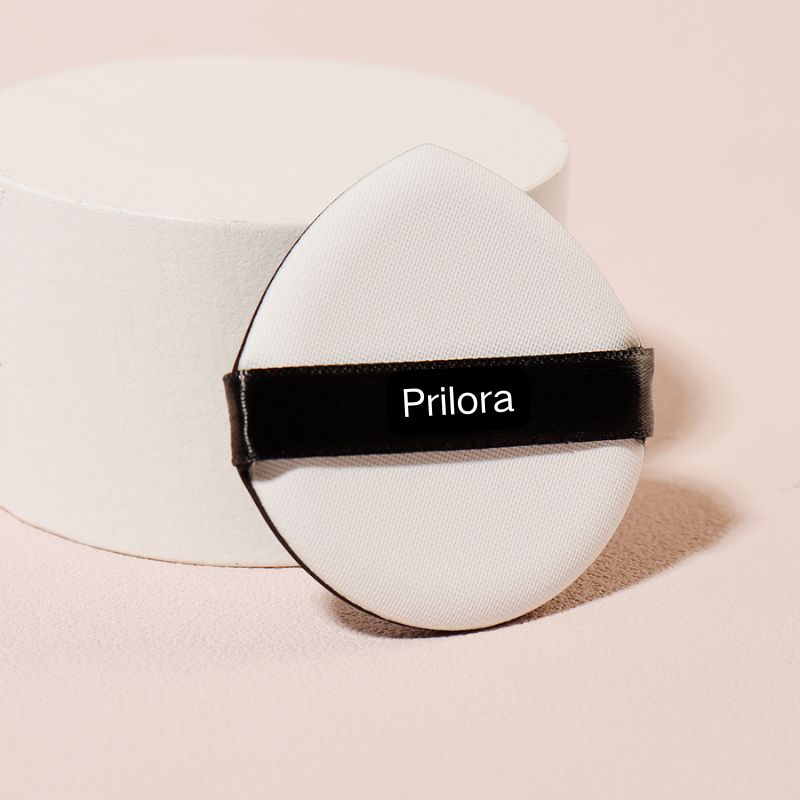
The foundation of any beauty line starts with application tools. Makeup brushes remain a top import category due to the vast customization options available, from handle materials (wood, bamboo, plastic) to bristle types. We prioritize high-grade synthetic fibers that mimic natural hair because they are cruelty-free and easier to clean, meeting modern consumer ethical standards.
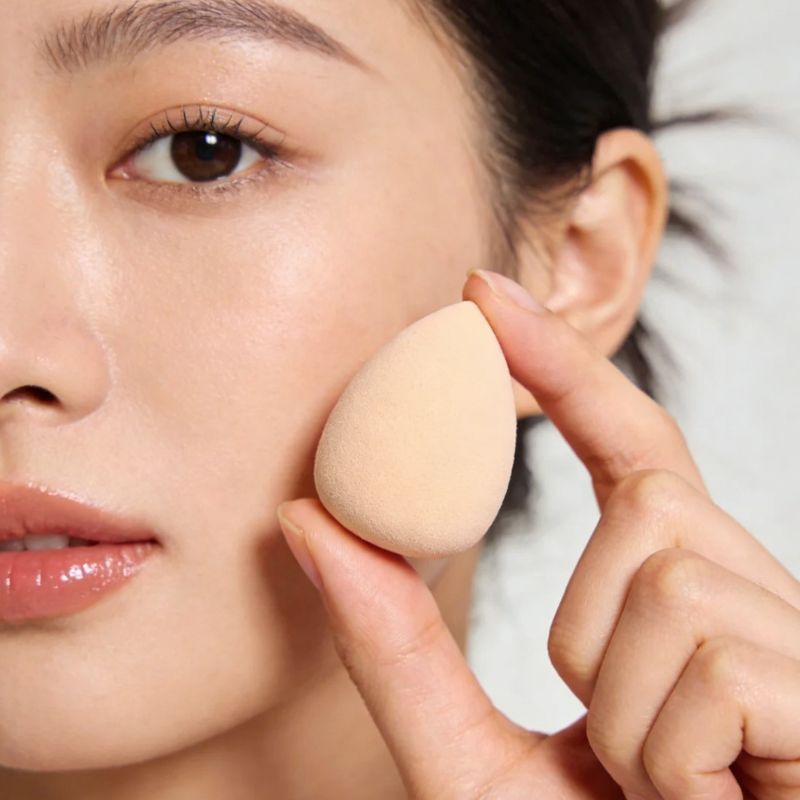
Equally important are blending tools. Sourcing high-quality cosmetic sponges is critical because these are high-turnover consumables. Customers replace them frequently, creating a steady revenue stream. When importing these, look for latex-free materials that expand when wet and offer a soft, bounce-back texture.
Key Considerations for Brushes & Sponges:
- Bristle Density: Higher density ensures better product pickup and streak-free application.
- Ferrule Strength: Aluminum or copper ferrules prevent shedding and handle detachment.
- Sponge Texture: Must be soft yet durable enough to withstand daily washing.
Precision Tools: Eyelash Curlers and Tweezers
Precision tools are defined by their mechanics and material integrity. Eyelash curlers and tweezers must be manufactured from durable metals like stainless steel or carbon steel to maintain tension and prevent rusting.
For eyelash curlers, the hinge mechanism and the silicone pad are the critical quality control points. A stiff hinge makes the tool unusable, while a low-quality pad can damage lashes. We ensure our curlers offer smooth action and fit various eye shapes. Similarly, tweezers require perfectly aligned tips for effective hair removal; even a millimeter of misalignment renders the tool useless.
Skincare Applicators and Electronic Beauty Devices
The integration of wellness into beauty routines has caused a surge in demand for skincare tools. Facial rollers and Gua Sha stones are massive sellers, but authenticity is the main challenge in this category. We use 100% natural stones like Jade, Rose Quartz, and Amethyst. Authentic stone stays cool to the touch and carries a specific weight that plastic imitations cannot replicate.
Facial cleansing brushes also fall into this high-growth category. Whether manual or electronic, these devices must feature ergonomic handles and gentle bristles to avoid skin irritation.
| Tool Category | Primary Materials | Key Quality Indicator |
|---|---|---|
| Facial Rollers | Jade, Rose Quartz, Amethyst | Noiseless inserts (no squeaking) & cold touch |
| Gua Sha | Natural Stone, Stainless Steel | Smooth, polished edges without chips |
| Cleansing Brushes | Synthetic Fiber, Silicone | Softness of bristles & water resistance |
Importing these tools requires strict attention to the manufacturing process to ensure the stone is genuine and the assembly is robust enough for daily use.
How to Find and Vet Reliable Global Suppliers
Finding a partner who understands the ultimate guide to importing cosmetic tools is the difference between a successful launch and a warehouse full of unsellable inventory. You need a supplier that functions as an extension of your team, offering transparency in production and consistency in delivery.
Identifying Legitimate Manufacturers in China and Japan
China remains the global powerhouse for manufacturing makeup brushes, facial rollers, and sponge blenders due to established supply chains and raw material access. Japan is often sought after for specific high-end synthetic fibers or traditional craftsmanship. When sourcing, your primary goal is to distinguish between a direct factory and a trading company.
Working directly with a manufacturer like Prilora, which has over 10 years of industry experience, eliminates middleman markups and gives you direct control over customization. Trading companies often mask the true source of goods, making it difficult to resolve quality issues or negotiate custom designs. Always verify if the supplier owns their production lines or if they are outsourcing the work.
Criteria for Evaluating Manufacturer Quality and Reputation
A reliable supplier must demonstrate more than just low prices; they need to prove operational stability and compliance. When vetting potential partners, focus on their ability to handle OEM/ODM projects and their adherence to international standards. Key indicators of a high-quality manufacturer include:
- Industry Experience: Look for suppliers with at least a decade of manufacturing history.
- Certifications: Ensure they meet global standards (such as CE, RoHS, or SGS) to avoid customs issues.
- Production Capacity: They must be able to scale from low MOQs for startups to mass production for established brands.
- Material Transparency: They should openly state the origin of materials, such as 100% natural jade or cruelty-free synthetic fibers.
To understand the scale required for consistent quality, reviewing a manufacturing facility gives you insight into the necessary machinery, assembly lines, and hygiene standards required for professional beauty tools.
Requesting Samples and Product Information
Never commit to a bulk order without first inspecting a physical sample. This is the only way to verify the tactile quality of the product, which is crucial in the beauty industry. When you request samples, evaluate the following:
- Brush Construction: Pull on the bristles to check for shedding and ensure the ferrule is securely attached to the handle.
- Stone Authenticity: For Gua Sha and rollers, real stone should feel cool to the touch and have natural variations in pattern.
- Functionality: Test moving parts, such as the rolling mechanism on facial tools, to ensure they are noiseless and smooth.
- Packaging: Assess the quality of the sample packaging, as this reflects how your final product will arrive.
A legitimate manufacturer will always encourage sampling and provide detailed specifications regarding materials, dimensions, and customization options before you sign a contract.
Essential Labeling and Packaging Requirements
Packaging does more than just sell your product on the shelf; it ensures your goods actually clear customs and arrive in one piece. As a manufacturer handling the ultimate guide to importing cosmetic tools, we see many brands overlook these critical details until it’s too late. Compliance is not optional when shipping globally.
Mandatory Material and Ingredient Declarations
While cosmetic tools like brushes and rollers don’t have “ingredients” in the same way lotions do, you must still declare exactly what the product is made of. Transparency builds trust with your customers and satisfies customs inspectors. For example, if you are importing facial rollers, the packaging must explicitly state whether the stone is 100% natural Jade, Rose Quartz, or a synthetic alternative.
For makeup brushes, the labeling needs to specify the bristle type—whether it is natural animal hair or cruelty-free synthetic fiber—and the handle material, such as wood, bamboo, or plastic. Our custom solutions allow you to print these specifications directly on the box or handle to meet local consumer protection laws.
Key Material Disclosures:
- Bristles: Synthetic (Taklon/Nylon) vs. Natural Hair.
- Handles: FSC-certified wood, bamboo, or recycled plastic.
- Stones: Authentic certification for Jade, Amethyst, or Rose Quartz.
Country of Origin and Business Identification Rules
Customs authorities in the US, EU, and other major markets strictly enforce Country of Origin (COO) marking. Since we manufacture our tools in China, every unit or its immediate packaging must clearly display “Made in China” in a legible font. Failing to include this can lead to shipments being held or returned at the port of entry.
Additionally, your packaging must identify the responsible party. This usually means printing your company’s name and physical address on the outer box. This traceability is a legal requirement for consumer safety.
Protective Packaging for International Transit
Shipping fragile items like stone Gua Sha tools or delicate brush ferrules requires robust protection. A standard OPP bag is rarely enough for international freight. We recommend structured packaging that prevents movement and impact damage during air or sea transport.
Recommended Packaging Tiers:
| Packaging Type | Best For | Protection Level |
|---|---|---|
| OPP Bag / Polybag | Sponges, Puffs | Low (Dust protection only) |
| Blister Card | Eyelash Curlers, Tweezers | Medium (Retail ready) |
| Magnetic Box with EVA Foam | Stone Rollers, Gua Sha | High (Shock absorption) |
| Cylinder Tube | Brush Sets | High (Shape retention) |
Using high-density EVA foam inserts is particularly important for crystal tools to prevent snapping. We help clients design business task project packaging that balances aesthetic appeal with the durability needed for global logistics.
Navigating Logistics and Shipping Methods
Getting your cosmetic tools from the factory floor to your warehouse is a critical phase where margins can be made or lost. As a manufacturer with over a decade of experience, we know that choosing the right logistics strategy is just as important as selecting the right bristles for a makeup brush. We handle the entire lifecycle, ensuring that whether you are ordering bulk facial rollers or delicate sponge sets, they arrive safely and cost-effectively.
Comparing Air Freight, Sea Freight, and Express Couriers
Selecting the right shipping mode depends entirely on your budget, timeline, and order volume. We typically categorize shipping into three main tiers based on urgency and weight:
- Express Couriers (DHL, FedEx, UPS): This is the fastest option, usually taking 3 to 7 days. It is ideal for samples, small trial orders, or urgent restocks. However, it comes with the highest price tag per kilogram.
- Air Freight: A middle-ground solution that is significantly cheaper than express but faster than sea. It generally takes 7 to 15 days. This is suitable for medium-sized shipments of high-value items like premium makeup brush sets where you need stock relatively quickly but want to avoid courier rates.
- Sea Freight: The most economical choice for bulk orders, especially for heavy items like Jade or Rose Quartz tools. Transit times range from 25 to 45 days. If you plan your inventory well in advance, this method maximizes your profit margin.
If you are unsure which method suits your current launch timeline, you can contact our team to discuss specific volume estimates and get a tailored shipping quote.
Understanding DDP Shipping and Incoterms
International commercial terms, or Incoterms, define the responsibilities of buyers and sellers. Misunderstanding these can lead to unexpected fees upon arrival. Here are the most common terms we use in the beauty industry:
- EXW (Ex Works): You handle everything from the factory door. You pay for pickup, export clearance, and shipping. This gives you maximum control but requires significant logistics experience.
- FOB (Free on Board): We handle the costs and risks up to the port of export. You take over from there. This is the industry standard for many wholesale importers.
- DDP (Delivered Duty Paid): This is the “hassle-free” option. The supplier handles shipping, customs clearance, and import duties, delivering the goods directly to your door.
For brands that want to focus on marketing rather than logistics, DDP is often the best choice. We can manage these complex OEM and ODM projects end-to-end, ensuring compliance with all import regulations so you don’t have to deal with customs brokers directly.
Optimizing Shipping Costs and Transit Times
Shipping costs are calculated based on either actual weight or volumetric weight—whichever is higher. Because cosmetic tools like sponges and brushes can be bulky, packaging plays a huge role in shipping costs.
- Optimize Packaging: We design custom boxes that protect the product while minimizing empty space. Reducing the box size by even a few centimeters can significantly lower freight charges.
- Consolidate Shipments: If you are ordering different categories, such as a mix of eyelash curlers and facial cleansing brushes, consolidating them into one shipment is more efficient than shipping separately.
- Plan for Lead Times: Rush shipping kills margins. By factoring in our standard production and QC timelines, you can opt for sea freight and save substantial capital.
We ensure that every carton is packed securely to withstand international transit, preventing damage to delicate components like stone rollers or brush ferrules.
Managing Customs Clearance and Documentation
When I first started, I realized that getting products out of the factory is only half the battle; getting them across the border is where the real work happens. In this section of the ultimate guide to importing cosmetic tools, we are going to tackle the paperwork so your goods don’t get stuck in port limbo.
Correct HS Code Classification for Cosmetic Tools
The Harmonized System (HS) code is basically the international ID card for your product. It tells customs exactly what you are bringing in and determines how much tax you pay. If you get this wrong, you risk fines, delays, or paying a higher duty rate than necessary.
For beauty tools, classification can be tricky because the materials vary.
- Makeup Brushes: usually fall under heading 9603 (Brooms, brushes, etc.).
- Metal Tools (Tweezers/Scissors): often fall under 8203 or similar chapters for hand tools.
- Electronic Beauty Devices: might be classified under electrical machinery chapters.
Pro Tip: Never guess. Ask your supplier for the HS code they use for export, but always double-check it against your local customs tariff schedule.
Required Documents: Commercial Invoice and Packing List
Customs officers live and die by paperwork. To clear your shipment smoothly, you need a flawless paper trail. I cannot stress this enough: consistency is key. The information on your invoice must match your packing list and the actual cargo exactly.
You must have these two documents ready:
- Commercial Invoice: This acts as the bill of sale. It must list the buyer and seller, a detailed description of the cosmetic tools, the HS code, the value per unit, and the total value.
- Warning: Do not ask suppliers to undervalue the goods to save on taxes. Customs authorities have databases of average prices; if you get caught, the penalties are severe.
- Packing List: This details the physical shipment. It includes the net weight, gross weight, dimensions, and exactly how many cartons are in the shipment.
Calculating Duties, Taxes, and Import Fees
Before you price your products for retail, you need to know your “landed cost.” This is the total price of the product once it arrives at your door, not just what you paid the manufacturer.
Here is a simple breakdown of what you will likely pay:
- Import Duty: Calculated based on the HS code and the country of origin.
- Value Added Tax (VAT) or GST: Most countries charge a consumption tax on imported goods. This is usually calculated on the (Product Value + Shipping Cost + Duty).
- Merchandise Processing Fees: Small administrative fees charged by customs.
- Brokerage Fees: If you use a freight forwarder or courier (like DHL or FedEx), they charge a fee to handle the clearance process for you.
Always factor these into your budget so your profit margins stay healthy.
Overcoming Common Challenges in Cosmetic Importing
Even with a solid plan, international trade can throw curveballs. In this section of the ultimate guide to importing cosmetic tools, I will break down how to anticipate problems before they cost you money and time. Being proactive is the only way to secure your profit margins.
Preventing Customs Holds and Regulatory Delays
Nothing kills momentum like your inventory getting stuck at the border while storage fees pile up. Most customs holds stem from avoidable administrative errors or labeling inconsistencies. If your commercial invoice doesn’t match the packing list, or if a “Made in China” sticker is missing, officers will flag the shipment.
- Verify HS Codes: Ensure your broker classifies your items correctly. Mixing up a manual facial roller with an electronic device can trigger unnecessary scrutiny.
- Pre-Check Compliance: Confirm that all packaging meets destination standards (like FDA or EU requirements) before the goods leave the factory.
- Prepare Documentation: Have your Bill of Lading, commercial invoice, and safety certificates ready to submit digitally the moment they are requested.
Managing Quality Control and Dispute Resolution
You cannot sell defective beauty tools to your customers. Relying solely on the factory’s word is a gamble I never recommend. Once the goods arrive at your warehouse, returning them is usually too expensive to be viable. You must catch issues at the source.
- Pre-Shipment Inspections: Always hire a third-party agent to inspect the batch before you make the final payment.
- Define AQL Standards: Your contract should specify an Acceptable Quality Limit (AQL). If the defect rate exceeds this, the manufacturer must fix it.
- Secure Payment Methods: Use trade assurance platforms or Letters of Credit that hold funds in escrow until quality is verified.
Mitigating Risks in the International Supply Chain
Global logistics can be volatile. From port strikes to sudden fuel surcharges, external factors can disrupt your timeline. Relying on a single shipping route or one supplier creates a bottleneck that can stall your entire business launch.
- Get Cargo Insurance: Never ship without it. It is a small price to pay to protect your investment against damage or loss during transit.
- Plan for Delays: Always factor in a buffer period. If shipping usually takes 30 days, plan for 45 to keep your inventory levels safe.
- Diversify Partners: Don’t put all your eggs in one basket. Maintain relationships with backup suppliers and alternative freight forwarders.
 English
  French (France)
  French (Canada)
  Japanese
  Korean
  German
  Italian
  Spanish
  Arabic
  Dutch
Dutch