
What are Latex Makeup Sponges?
Latex makeup sponges are traditional cosmetic applicators primarily manufactured from NBR (Nitrile Butadiene Rubber) or SBR (Styrene Butadiene Rubber). Known for their density and durability, these sponges have been industry staples for decades. Unlike modern hydrophilic options, traditional latex sponges are characterized by a tighter cell structure and a firmer feel, making them distinct tools in a professional beauty kit. As a manufacturer, we ensure these tools meet rigorous standards for resilience and application consistency.
Key Features and Material Benefits
Understanding the material properties of latex sponges helps in selecting the right tool for specific cosmetic formulations.
- High Durability: NBR and SBR materials are resistant to tearing and abrasion, ensuring the sponge maintains its shape during vigorous use.
- Oil Resistance: These materials do not degrade quickly when exposed to oil-based foundations or cream concealers.
- Firm Density: The tighter structure offers substantial resistance, providing maximum control for detailed work.
- Cost-Efficiency: Due to manufacturing processes, these are often produced as disposable wedges or blocks for hygienic, single-use applications.
Latex vs. Latex-Free Sponges: Key Differences
The market has evolved to include advanced Hydrophilic Polyurethane (Latex-Free) options alongside traditional latex. Here is how they compare:
| Feature | Latex Sponges (NBR/SBR) | Latex-Free Sponges (Hydrophilic PU) |
|---|---|---|
| Material | Synthetic Rubber (contains latex) | Hydrophilic Polyurethane |
| Texture | Firm and dense | Ultra-soft and bouncy |
| Water Reaction | Minimal expansion | Doubles in size when wet |
| Skin Sensitivity | Potential allergen risk | Hypoallergenic and skin-friendly |
| Best Use | Oil-based products, precise detailing | Liquid foundations, blending large areas |
Why Professional Makeup Artists Prefer Latex Sponges
Despite the popularity of soft beauty blenders, professional makeup artists continue to stock latex sponges for specific technical reasons. The firm texture of NBR sponges allows for high-precision application, such as sharpening winged liner or carving out contour lines. Additionally, because they do not absorb as much water or product as hydrophilic sponges, they are excellent for applying full-coverage, heavy creams where sheer blending is not the goal. Their affordability also makes them the preferred choice for sanitary, single-client use in high-volume settings.
Benefits of Using Latex Sponges for Makeup Application
When sourcing beauty tools for your brand, understanding the specific advantages of material composition is crucial. While the market has seen a surge in hydrophilic options, traditional latex-based sponges (often made from NBR or SBR) remain a staple in professional kits for distinct reasons. These tools offer specific performance metrics that cater to heavy-duty application and precise detailing.
Achieving a Flawless, Non-Cakey Finish
The primary goal of any applicator is to merge the product with the skin rather than letting it sit on top. High-quality latex sponges possess a unique surface density that excels at buffing cream and liquid products. Unlike brushes, which can sometimes leave streak marks, the smooth texture of a latex sponge presses the foundation evenly into the pores.
This material is particularly effective for high-coverage foundations. It allows the user to build layers without disturbing the base, preventing that heavy, “cakey” appearance. If you are looking to expand your product line, exploring our makeup sponge collection can help you identify the right textures and densities that guarantee this high-definition finish.
Performance in Humid and Challenging Climates
One of the standout features of NBR (Nitrile Butadiene Rubber) latex sponges is their impressive resistance to oils and environmental factors. In humid climates where skin tends to produce excess sebum, or for makeup formulas that are oil-based, standard sponges might degrade or swell unpredictably.
Latex sponges maintain their structural integrity better under these conditions. They do not absorb as much oil from the face or the makeup product, ensuring the tool lasts longer and the application remains consistent throughout the day.
Material Resistance Comparison:
| Feature | NBR/Latex Sponge | Standard Polyurethane |
|---|---|---|
| Oil Resistance | High | Moderate |
| Durability | Excellent (Resists tearing) | Good (Softer) |
| Climate Stability | High (Unaffected by humidity) | Moderate (Absorbs moisture) |
Superior Precision for Detailed Blending
Professional makeup artists often prefer latex wedges for detailed work because of their firmness. Unlike softer hydrophilic sponges that bounce and expand, latex sponges retain a firmer shape, offering superior control. This makes them the ideal tool for “baking” under the eyes, sharpening contour lines, or cleaning up lipstick edges.
To ensure you are offering the best tools to your customers, it is essential to understand these material nuances; our buyers guide to sourcing quality cosmetic makeup sponges covers these density specifications in depth.
Key Precision Benefits:
- Sharp Edges: Perfect for carving out brows and winged liner.
- Firm Grip: Allows for higher pressure during spot concealing.
- Minimal Absorption: Great for placing high-pigment products exactly where needed without wastage.
Common Shapes and Types of Latex Sponges
Selecting the right tool is just as important as the formula you apply. As manufacturers, we design specific sponge shapes to tackle different areas of the face, ensuring that every curve and corner gets the attention it needs. While material density plays a role, the physical cut of the sponge dictates its primary function in your routine.
Triangular Wedges for Targeted Application
Triangular wedges are the classic staple in professional kits, often made from NBR or SBR latex for a firmer feel. Their sharp, distinct edges make them unbeatable for precision work. We recommend these for:
- Reaching tight areas: Perfect for the inner corners of the eyes and around the nose.
- Cleanup: The straight edges act like an eraser to sharpen winged eyeliner or clean up lipstick smudges.
- Hygiene: Since they are cost-effective, they are ideal for single-use applications to maintain high sanitary standards.
If you are sourcing tools for a professional kit or retail line, our cosmetic sponges come in various precision cuts to meet these exact needs.
Round and Oval Sponges for Full Coverage
When speed and uniformity are the goals, round and oval sponges are the best choice. These shapes offer a larger surface area, allowing you to cover the forehead, cheeks, and neck quickly.
- Seamless Base: The lack of hard edges prevents streak marks, ensuring a smooth, airbrushed look.
- Versatility: They work exceptionally well with pressed powders and liquid foundations.
- Even Pressure: The consistent shape allows for even distribution of pressure, preventing patchy application.
Sculpting and Pointed Sponges for Contouring
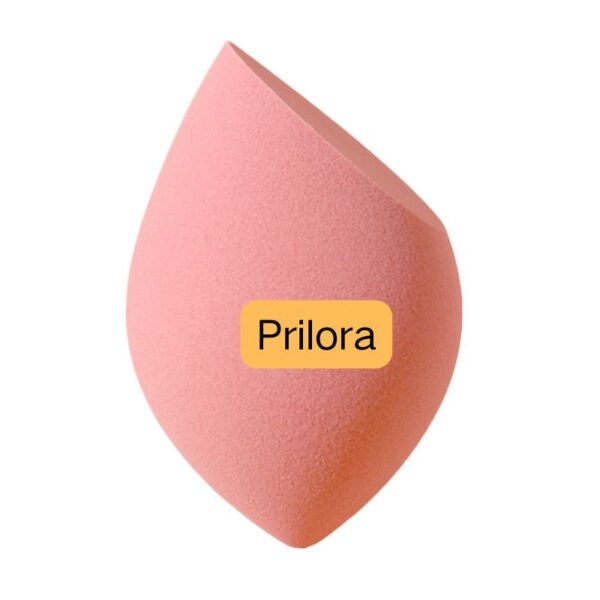
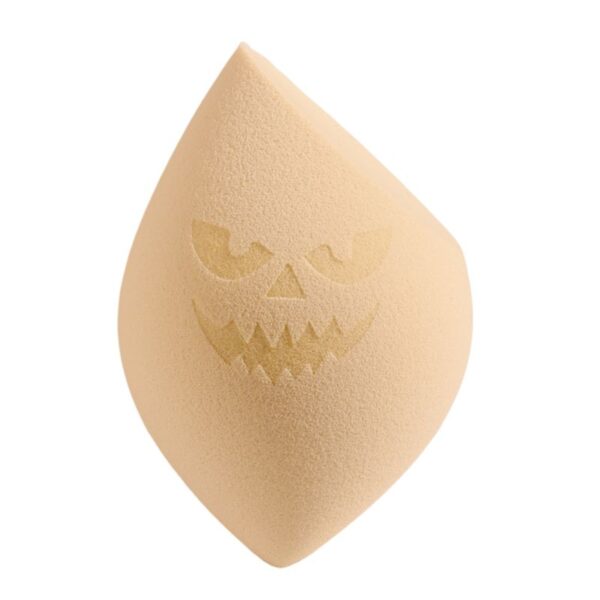
For those looking to define features, sculpting sponges—often seen in gourd or teardrop shapes—are essential. These advanced designs combine multiple functions into one tool.
- The Pointed Tip: Specifically engineered for concealing blemishes and blending under-eye concealer.
- The Curved Side: Mimics the natural curve of the face, making it ideal for rolling on foundation.
- The Flat Edge: Many sculpting sponges feature a flat bottom or side cut, which is perfect for “baking” with setting powder or stamping on cream contour for a chiseled jawline.
How to Use Latex Makeup Sponges Correctly
Using a makeup sponge might seem straightforward, but the technique relies heavily on the specific material of the tool. As a manufacturer, we know that the density and porosity of the sponge dictate how it interacts with your cosmetic products. Whether you are using traditional NBR latex wedges or modern hydrophilic polyurethane blenders, mastering the application method is key to a professional finish.
Wet vs. Dry Application Techniques
The decision to use a sponge wet or dry depends entirely on the desired finish and the sponge material.
- Wet Application (Hydrophilic Sponges): This is the standard method for our premium hydrophilic polyurethane sponges. When submerged in water, these sponges absorb liquid and expand to nearly twice their size. This saturation prevents the sponge from soaking up your expensive foundation. A damp sponge creates a sheer, dewy, and streak-free finish.
- Dry Application (Traditional Latex/NBR): Traditional latex wedges (NBR/SBR) are denser and do not expand significantly with water. These are best used dry for high-coverage applications or for correcting makeup mishaps. Using them dry allows for maximum pigment deposit, making them ideal for heavy concealers or theatrical makeup.
Best Makeup Products to Pair with Latex Sponges
Latex Makeup Sponges and their latex-free counterparts are versatile, but they perform best with specific formulations.
- Liquid Foundations & BB Creams: This is where sponges excel. The porous texture mimics the skin, pressing liquid products in for a seamless look rather than sitting on top like a brush might.
- Cream Contour & Blush: Sponges blend thick creams effortlessly, preventing harsh lines.
- Setting Powders: While you can use a damp sponge for “baking” under the eyes, we often recommend a dedicated makeup puff for applying loose powders over large areas to ensure an even matte finish without disturbing the base.
Step-by-Step Blending Guide for Beginners
To achieve that airbrushed look, follow this simple routine:
- Prep the Sponge: If using a hydrophilic sponge, soak it until fully expanded, then squeeze out all excess water. It should be damp, not dripping. For NBR latex wedges, use them straight out of the package.
- Product Placement: Avoid applying foundation directly to the sponge, as this leads to waste. Dot the product onto your face or the back of your hand first.
- The Stippling Motion: Never drag or wipe the sponge across your skin. Instead, use a bouncing or “stippling” motion. This presses the product into the skin for better adhesion and a natural texture.
- Use the Edges: Utilize the broad side of the sponge for cheeks and forehead. Switch to the pointed tip or the sharp edge of a wedge for precision work around the nose and eyes.
Care and Maintenance of Your Makeup Sponges
Proper maintenance is the backbone of any professional beauty toolkit. As a manufacturer, we know that even the highest quality materials require routine care to maintain their density, porosity, and application performance. Neglecting your tools not only affects the finish of your makeup but can also compromise skin health.
How to Clean Latex Sponges Effectively
Cleaning your sponges regularly removes oil, dead skin, and residual product that can degrade the material over time. Whether you are using our NBR latex wedges or hydrophilic polyurethane blenders, the cleaning process should be gentle yet thorough.
- Wet the Sponge: Saturate the sponge with warm water.
- Apply Cleanser: Use a mild soap or a specialized brush cleanser. Avoid harsh detergents that can break down the rubber or foam structure.
- Squeeze, Don’t Twist: Gently massage the cleanser into the material and squeeze it out. Never twist or wring the sponge aggressively, as this causes micro-tears in the surface.
- Rinse Thoroughly: Continue rinsing until the water runs clear and no suds remain.
For more specific details on product care and usage, you can explore our answers to common questions about tool maintenance.
Signs It’s Time to Replace Your Makeup Sponge
Even durable sponges have a lifespan. Using a sponge past its prime can lead to patchy application and potential skin irritation. We recommend monitoring your tools for these specific warning signs:
- Surface Degradation: Visible cracks, tears, or bits of the sponge flaking off.
- Permanent Staining: If deep cleaning fails to remove product buildup, the pores are clogged.
- Loss of Bounce: The sponge no longer expands fully when wet or feels stiff instead of soft and resilient.
- Odor: Any lingering smell after washing indicates bacterial presence inside the core.
Proper Storage to Prevent Bacteria Growth
Storage is often the most overlooked aspect of sponge care. Bacteria thrive in damp, dark environments, so tossing a wet sponge directly into a makeup bag is a major mistake.
- Ventilation is Key: Always allow the sponge to air dry completely in an open, well-ventilated area before storing it in a drawer or case.
- Use Mesh Bags: If you need to transport a damp sponge, use a breathable mesh bag rather than a sealed plastic container.
- Avoid Humidity: Store your dry sponges in a cool, dry place away from direct bathroom steam to preserve the integrity of the material.
Safety and Selection Considerations
When sourcing tools for your beauty brand or personal kit, safety is just as critical as performance. As manufacturers, we prioritize materials that minimize skin reactions while maximizing durability. This section of our Latex Makeup Sponges Buying Guide breaks down the essential safety protocols and ingredient checks you need to know before making a purchase.
Identifying Latex Allergies and Sensitivities
Natural rubber latex is a common allergen that can cause contact dermatitis, resulting in itching, redness, or swelling. While traditional latex sponges are durable, they pose a risk to users with sensitive skin. If you or your customers experience irritation after blending, the material is likely the culprit.
We strongly recommend opting for Hydrophilic Polyurethane (Non-Latex) sponges. These modern alternatives are specifically engineered to be hypoallergenic and odor-free. They provide the same bounce and finish as traditional latex without the associated health risks, making them the safest choice for a global audience with varying skin sensitivities.
Choosing Vegan and Cruelty-Free Options
The demand for ethical beauty tools is non-negotiable in today’s market. When building a brand, defining the importance of market research helps you understand that modern consumers demand vegan and cruelty-free tools. Fortunately, high-quality makeup sponges made from synthetic polymers (like polyurethane) are inherently vegan as they contain no animal by-products.
To ensure your selection aligns with ethical standards, look for these indicators:
- Material Source: Confirm the sponge is 100% synthetic (PU, NBR, or SBR).
- Production Process: Ensure the manufacturing facility follows cruelty-free protocols (no animal testing).
- Eco-Friendly Dyes: Verify that any coloring agents used are non-toxic and safe for the environment.
Understanding Product Ingredients and Safety
Not all foams are created equal. A high-quality sponge should be free from heavy metals and toxic plasticizers. When evaluating a latex makeup sponge or its latex-free counterpart, checking the material composition is the first step in quality control. We use specific formulations to ensure the sponge is breathable and resistant to mold growth.
Here is a quick comparison of common sponge materials and their safety profiles:
| Material Type | Key Ingredient | Safety Profile | Best For |
|---|---|---|---|
| Hydrophilic PU | Polyurethane (Non-Latex) | High: Hypoallergenic, soft, gentle on sensitive skin. | All skin types; premium blending. |
| NBR | Nitrile Butadiene Rubber | Medium: Synthetic rubber, oil-resistant but firmer. | Oil-based products; disposable use. |
| SBR | Styrene Butadiene Rubber | Medium: Synthetic latex, durable but can be rougher. | Heavy-duty application; wedges. |
| Natural Latex | Natural Rubber Sap | Low: High risk of allergic reaction (proteins). | Specific FX makeup (use with caution). |
Pro Tip: Always look for sponges that have undergone antibacterial treatments during manufacturing. This extra step inhibits bacteria proliferation, keeping the tool safer for daily use on the face.
Frequently Asked Questions About Latex Sponges
Navigating the technical details of beauty tools can be tricky. As a manufacturer committed to quality, we often address these common inquiries in our Latex Makeup Sponges Buying Guide to help buyers make informed decisions.
Can latex makeup sponges be reused?
It largely depends on the specific material composition. Traditional latex wedges (often made from NBR or SBR) are typically designed for single-use or short-term applications because they degrade faster and are harder to clean thoroughly. However, modern beauty sponges made from high-quality Hydrophilic Polyurethane—which we specialize in—are built for durability and reusability.
To get the most value, we recommend:
- Daily Maintenance: Rinse with warm water and mild soap after every use.
- Proper Drying: Let them air dry in a ventilated area to maintain their shape.
- Replacement Schedule: Even reusable sponges should be replaced every 1-3 months for hygiene.
If you are sourcing tools for your brand, understanding these material differences is crucial. You can learn more about our production standards and material selection on our About Us page.
Do latex sponges absorb more product than silicone?
Yes, by nature, any porous sponge will absorb more product than a non-porous silicone applicator. However, the “finish” is the trade-off. Silicone moves product around, while sponges blend it into the skin for a seamless look.
To minimize product waste with sponges:
- Use Them Damp: We always advise wetting the sponge first. When saturated with water, the sponge’s cells fill up, preventing it from soaking up expensive foundation.
- Check the Density: Higher density sponges with smaller pores absorb significantly less product than cheaper, low-density alternatives.
Are latex sponges suitable for sensitive skin?
Traditional latex contains proteins that can trigger allergic reactions, causing irritation, redness, or itching in users with sensitivities. This is a significant concern for professional makeup artists working on diverse clients.
For sensitive skin, we strongly advocate for latex-free options, specifically Hydrophilic Polyurethane. These sponges offer:
- Hypoallergenic Properties: Safe for all skin types without the risk of latex allergies.
- Softer Texture: Gentler on the skin compared to the rubbery feel of traditional latex.
- Odor-Free: They do not carry the strong rubber smell often associated with NBR/SBR materials.
 English
  French (France)
  French (Canada)
  Japanese
  Korean
  German
  Italian
  Spanish
  Arabic
  Dutch
Dutch