
What are Reusable Makeup Sponges and How Do They Work?
In the 2026 beauty landscape, reusable makeup sponges have evolved from simple foam applicators into high-performance, antimicrobial tools. These devices are crafted from hydrophilic polyurethane, a specialized material designed to absorb water while repelling makeup products. When dampened, the structure expands to become ultra-soft and “cloud-like,” allowing for a bounce-application technique that presses foundation and concealer into the skin rather than dragging it across the surface.
Modern iterations, such as the Prilora Makeup Sponge, integrate silver-ion technology directly into the material. This innovation inhibits 99.9% of bacteria growth, transforming the sponge from a potential breeding ground for acne-causing germs into a hygienic essential for maintaining skin health.
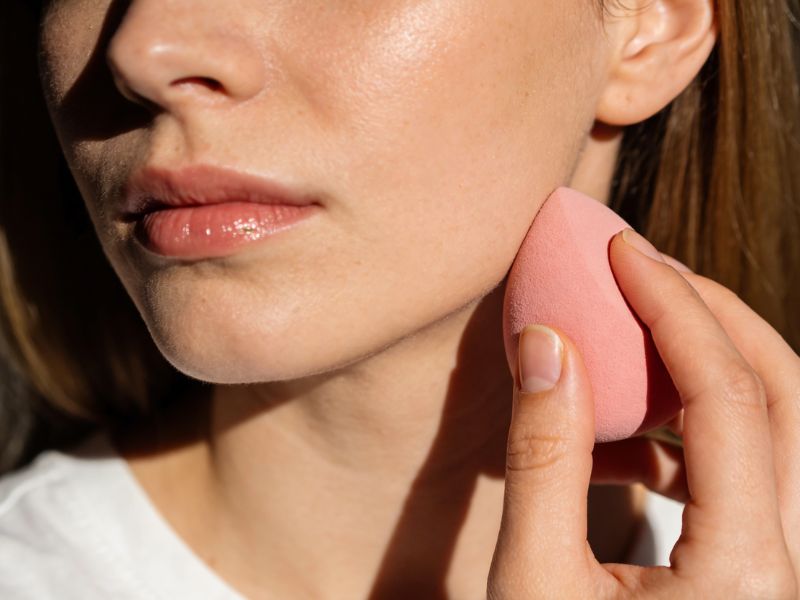
Understanding the Difference Between Sponges and Beauty Blenders
While the terms are often used interchangeably, there is a distinct technical difference between generic “beauty blenders” and advanced reusable sponges designed for longevity and hygiene.
| Feature | Standard Generic Sponges | Advanced Reusable Sponges (Prilora) |
|---|---|---|
| Material Technology | Basic Foam / Latex Blends | Hydrophilic Polyurethane (Latex-Free) |
| Hygiene | Prone to bacteria buildup | Antimicrobial Silver-Ion Infused |
| Product Absorption | High (Wastes makeup) | Low (Saves up to 50% of product) |
| Lifespan | 1–3 Months | Up to 6 Months |
Benefits of Using Reusable Sponges Over Traditional Brushes
Switching to a high-quality reusable sponge offers superior results compared to traditional bristle brushes, particularly for liquid and cream formulations.
- Flawless, Streak-Free Finish: Unlike brushes, which can leave visible bristle marks, a damp sponge creates a seamless, airbrushed effect by blending product evenly.
- Product Conservation: Non-porous, hydrophilic materials prevent the tool from soaking up expensive foundations. You use significantly less product to achieve full coverage.
- Skin Barrier Protection: Brushes can be abrasive on sensitive skin. The ultra-soft texture of a premium sponge is gentle, while antimicrobial properties actively prevent the transfer of bacteria that leads to breakouts.
The Eco-Friendly Impact of Sustainable and Bio-Based Sponges
Sustainability in 2026 is defined by durability. The environmental impact of the beauty industry is heavily influenced by the frequency of disposal. Standard cosmetic sponges degrade quickly, often requiring replacement every few weeks, which generates substantial landfill waste.
By engineering sponges that maintain their structural integrity and antimicrobial efficacy for up to 6 months, we significantly reduce the volume of discarded tools. Choosing a durable, latex-free, and non-toxic sponge is a conscious step toward reducing your beauty footprint without compromising on professional-grade application.
Types of Reusable Makeup Sponges for Every Need
Navigating the market for a reusable makeup sponges buying guide 2026 means understanding that shape dictates function. While material quality determines longevity and hygiene, the physical design of the tool controls the finish. Here is a breakdown of the essential profiles available today.
Classic Teardrop Blenders for All-Over Coverage
The teardrop shape remains the gold standard for seamless foundation application. The rounded base covers large surface areas like the cheeks and forehead quickly, while the tapered top handles general blending. In 2026, the focus is on **hydrophilic polyurethane** materials that expand significantly when wet. This “cloud-like” density ensures the tool bounces off the skin rather than dragging, creating an airbrushed effect without absorbing excess product. A premium high-performance makeup sponge in this category should feature antimicrobial properties, using silver ion technology to inhibit bacteria growth for up to six months.
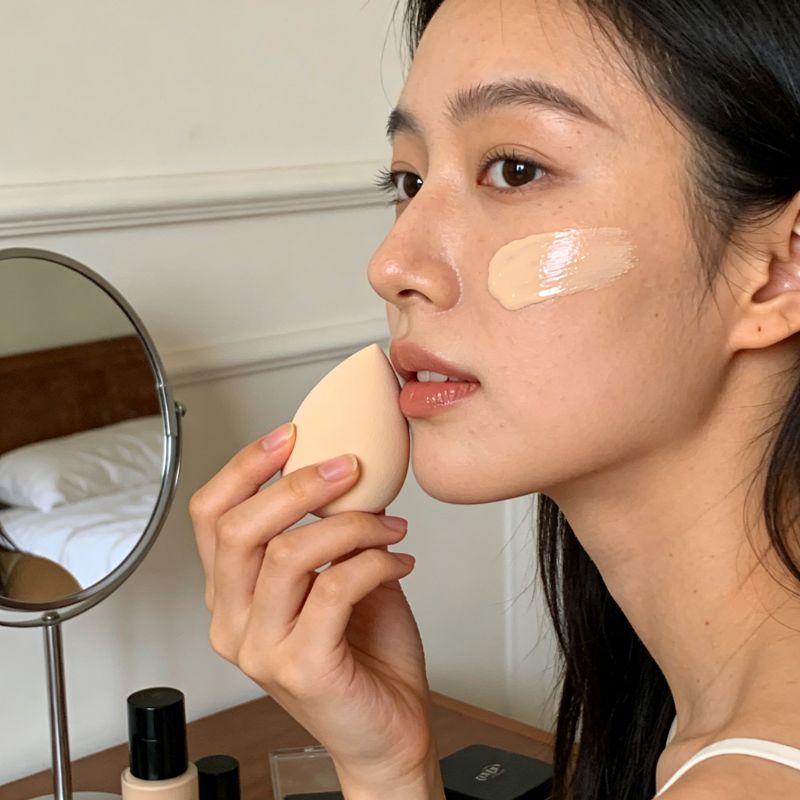
Precision Mini Sponges for Concealer and Detail Work
Detail work around the eyes and nose requires a smaller footprint. While specific “mini” sponges exist, modern full-sized tools often integrate a precision tip to eliminate the need for a separate tool. This sharp point allows you to press concealer into the inner corners of the eye or clean up winged liner without disturbing the surrounding base. The key here is texture; the material must be soft enough to not tug on delicate under-eye skin while remaining firm enough to deposit coverage exactly where needed.
Cosmetic Wedges and Compact Sponges for Touch-Ups
Traditionally, wedges were disposable latex tools, but the modern reusable market has evolved. Today, we look for sponges that incorporate a flat edge into the main design. This flat surface mimics the utility of a wedge, making it perfect for “baking” with setting powder or creating sharp contour lines. By sourcing quality cosmetic makeup sponges that combine a rounded side with a flat edge, you get the versatility of a wedge without the waste of single-use disposables.
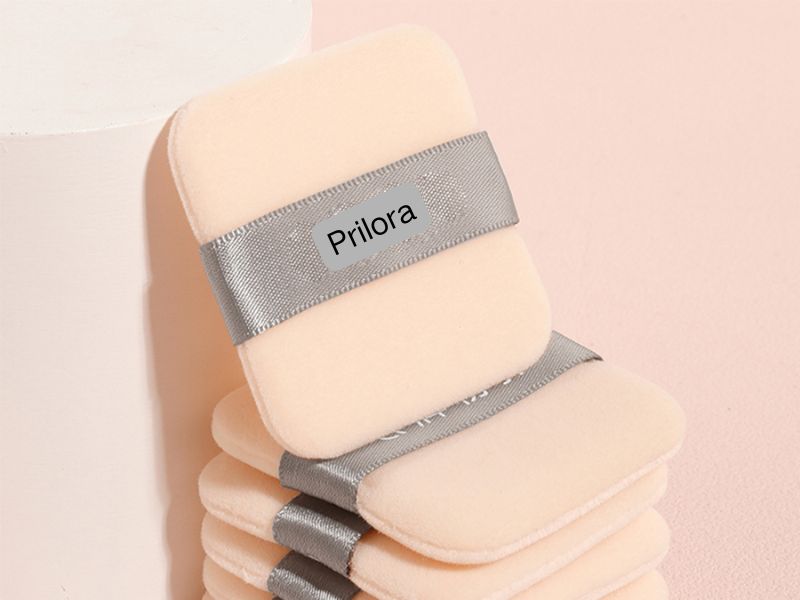
Specialty Sponges for Blush, Contour, and Highlighting
Sculpting the face requires tools that can handle cream and liquid pigments without muddying the colors. Specialty sponges often feature hourglass or asymmetrical shapes designed to hug the cheekbones or jawline. However, a well-designed multi-functional sponge with a flat edge often outperforms single-purpose specialty tools. The flat side is ideal for stamping on cream blush or carving out a contour, while the rounded body blends the edges for a natural transition. Prioritize latex-free, non-toxic materials that resist staining and maintain their structure over months of daily washing.
How to Choose the Best Makeup Sponge for Your Routine
Selecting the right beauty tool is critical for both your skin’s health and the finish of your foundation. In 2026, the market is flooded with options, but not all sponges are created equal. Here is how I break down the selection process to ensure you get professional results.
Material Matters: Microfiber vs. Latex-Free vs. Sustainable Fibers
The material of your sponge dictates how it interacts with your skin and your makeup products. In the past, latex was common, but it is known to cause irritation and harbor bacteria. Today, the industry standard for high-performance tools is latex-free hydrophilic polyurethane. This material is non-toxic, ultra-soft, and designed to be used damp.
At Prilora, we have advanced this further by infusing our material with silver ions. This antimicrobial technology inhibits 99.9% of bacteria growth, preventing the “makeup bag breakouts” common with standard sponges. When browsing a reusable makeup sponges buying guide 2026, prioritize materials that actively protect your skin barrier rather than just applying product.
Selecting the Right Shape for Your Facial Contours
While novelty shapes appear frequently, functional design always wins for daily application. You need a tool that can handle large surface areas and tiny crevices simultaneously.
- Teardrop Shape: The most versatile option. The rounded base is perfect for buffing foundation over the cheeks and forehead.
- Precision Tip: Essential for reaching the corners of the eyes and around the nose without smudging.
- Flat Edge: I recommend this for “baking” with powder or carving out a sharp contour line.
Our professional cosmetic sponges utilize a precision-engineered design that combines a fine tip with a broad base, allowing you to complete a full face of makeup—from concealer to contour—with a single tool.
Choosing Between Professional-Grade and Budget-Friendly Options
It is tempting to grab a multi-pack of cheap sponges, but the long-term cost is often higher. Budget sponges are usually more porous, meaning they soak up significantly more of your expensive liquid foundation and degrade within a few weeks.
A professional-grade tool offers better density and longevity. For example, our sponges are designed to last up to 6 months with proper care, compared to the 1-month lifespan of generic alternatives. Additionally, the non-porous structure ensures you use up to 50% less makeup product, effectively paying for the sponge over time.
Comparison: Budget vs. Professional Sponges
| Feature | Budget Sponge | Professional Grade (Prilora) |
|---|---|---|
| Lifespan | 1–2 Months | Up to 6 Months |
| Hygiene Tech | None (Prone to Mold) | Antimicrobial Silver Ions |
| Texture | Stiff or Rubber-like | Cloud-Like & Soft |
| Product Waste | High Absorption | Minimal (Saves 50%) |
Investing in quality tools like our makeup puff and sponges ensures a flawless application while reducing environmental waste and long-term spending.
Step-by-Step Guide: How to Use a Makeup Sponge Like a Pro
Why You Should Always Use Your Sponge Wet vs. Dry
The golden rule for using hydrophilic polyurethane sponges is simple: **always wet it first**. When you run our Prilora sponge under water, it absorbs the moisture and doubles in size, turning into that signature “cloud-like” texture. This step is critical because water fills the sponge’s open cells, preventing your expensive foundation from soaking into the tool. A damp sponge ensures the product sits on top of the material, allowing you to transfer it directly to your skin. This “low-soak” method is how you save up to **50% of your liquid products** compared to using a dry sponge or traditional brush. Squeeze out every drop of excess water until it is just damp—too wet, and it will dilute your makeup; too dry, and it will absorb it.
The Dabbing and Stippling Technique for a Flawless Finish
Stop dragging the sponge across your face. Swiping creates streaks and lifts the makeup you just applied, ruining coverage. The correct technique is **stippling**—essentially bouncing or dabbing the sponge gently against your skin. This motion presses the product into the skin rather than smearing it on top, creating a seamless, airbrushed effect that mimics natural skin texture.
* **Bounce gently:** Use light pressure to deposit color.
* **Build coverage:** Dab repeatedly over areas that need more concealment rather than adding a thick layer all at once.
* **Blend edges:** Use clean sections of the sponge to soften any harsh lines around the jawline and hairline.
Applying Foundation, Concealer, and Cream Products
Versatility is key in a reusable makeup sponges buying guide 2026. For the best results with liquids and creams, never apply the product directly to the sponge. Pump foundation onto the back of your hand, pick it up with the damp tool, and work from the center of the face outward.
* **Large Areas:** Use the rounded bottom of the teardrop shape for your cheeks, forehead, and chin.
* **Detail Work:** Switch to the precision tip for navigating around the nose and blending concealer under the eyes.
* **Contouring:** Use the flat edge to stamp cream contour under the cheekbones for a sharp, defined shadow.
High-performance tools, often developed through specialized OEM solutions, are engineered with specific densities to handle these heavy cream formulas without degrading or tearing, ensuring your application remains smooth over the sponge’s 6-month lifespan.
Using a Sponge for Setting Powder and Baking
Your sponge isn’t limited to liquids; it is also a powerful tool for powder application. For the “baking” technique, take your damp sponge and press the flat edge or pointed tip into loose setting powder. Pack a generous amount under your eyes, below your cheek contour, or on your chin. The moisture from the sponge helps the powder melt into the foundation, locking it in place for extreme longevity. Let it sit for 5 to 10 minutes while you finish your eye makeup, then gently dust off the excess with a fluffy brush. This technique provides a crease-free, matte highlight that lasts all day.
Cleaning and Maintenance for Long-Lasting Reusability
Maintaining your beauty tools is just as critical as the application process itself. While our Prilora Makeup Sponge is engineered with antimicrobial silver ions to inhibit 99.9% of bacteria growth, a consistent cleaning routine is essential to remove pigment, oil, and dead skin cells. Proper maintenance ensures the hydrophilic polyurethane material retains its “cloud-like” bounce and extends the lifespan of the tool significantly compared to standard market options.
How to Deep Clean Your Makeup Sponge to Remove Buildup
Deep cleaning prevents the accumulation of products that can clog the sponge’s pores and affect its texture. Since our sponges are designed to be less porous to save product, they are also easier to rinse than traditional foam tools.
- Wet Thoroughly: Hold the sponge under warm running water until it expands to its full size.
- Apply Cleanser: Massage a generous amount of cleanser directly onto the stained areas.
- Compress, Don’t Twist: Gently squeeze the sponge in your palm to work the lather in and push the makeup out. Never twist or wring the sponge aggressively, as this can cause micro-tears in the material.
- Rinse and Repeat: Continue rinsing and squeezing until the water runs completely clear.
Recommended Cleansers: Solid Soaps vs. Liquid Formulas
Choosing the right cleaning agent preserves the integrity of the non-toxic material. We recommend avoiding harsh detergents containing alcohol or strong acids, which can degrade the soft texture over time.
- Solid Soaps: excellent for breaking down waxy products like stick foundations and concealers. The friction of rubbing the sponge against a bar soap helps dislodge stubborn pigment.
- Liquid Cleansers: Ideal for a gentle, daily wash. Look for formulas specifically designed for beauty tools or gentle facial cleansers that won’t leave a chemical residue.
Proper Drying and Storage Tips to Prevent Mold
Even with our built-in antimicrobial protection, moisture management is vital. Mold thrives in dark, damp environments, so storage habits are the primary defense against bacterial proliferation.
- Air Dry Openly: After washing, place the sponge in a well-ventilated area. A mesh bag or a dedicated sponge holder that allows 360-degree airflow is ideal.
- Avoid Sealed Containers: Never store a damp sponge inside a plastic bag or a closed makeup case. This traps moisture and encourages mold, regardless of the sponge’s antimicrobial properties.
- Keep It Cool: Store away from direct heat sources like radiators or hair dryers, which can make the material brittle.
When Is It Time to Replace Your Reusable Makeup Sponge?
In the current 2026 beauty landscape, sustainability means durability. While standard drug-store sponges often degrade within 1 to 3 months, the Prilora Makeup Sponge is built to perform for up to 6 months with proper care.
Signs it is time to restock:
- Structural Damage: Visible nicks, tears, or crumbling on the surface.
- Loss of Density: The sponge no longer bounces back quickly when squeezed or feels overly soft.
- Persistent Staining: If deep cleaning no longer removes pigment or if an odor develops despite washing.
By tracking your usage, you ensure that your skin barrier remains protected and your makeup application remains flawless.
Comparison and Buying Guide for Reusable Sponges
Navigating the market for beauty tools can be overwhelming, but this reusable makeup sponges buying guide 2026 simplifies the choice. The real value isn’t just in the initial price tag—it is about performance, skin health, and longevity.
What is the Difference Between Cheap and Expensive Blenders?
The gap between a generic drugstore sponge and a premium tool like our Prilora Makeup Sponge comes down to technology and lifespan. Cheap sponges are often made of basic foam that degrades quickly and acts as a breeding ground for bacteria. In contrast, high-end options utilize hydrophilic polyurethane infused with antimicrobial silver ions.
While a budget sponge might cost $5, it typically needs replacement every month. A premium antimicrobial sponge, priced around $18–$22, is engineered to last up to 6 months. Additionally, our non-porous design ensures you waste significantly less liquid foundation, saving you money on expensive makeup products over time.
Value Comparison Breakdown:
| Feature | Standard Generic Sponge | Prilora Premium Sponge |
|---|---|---|
| Lifespan | 1–2 Months | Up to 6 Months |
| Hygiene Tech | None (Bacteria Traps) | Silver Ion Antimicrobial |
| Product Waste | High (Soaks up makeup) | Minimal (Saves 50%) |
| Texture | Dense/Stiff | Cloud-like Softness |
Best Reusable Makeup Sponge Sets and Starter Kits
Investing in a set is often the smartest move for both professionals and daily users. We recommend looking for Pro Bundles or “Buy 2 Get 1” offers. Having multiple sponges allows you to rotate them—keeping one clean and dry while the other is in use. This rotation extends the life of your tools even further.
For brands or makeup artists seeking custom beauty tool solutions, buying in bulk or specialized kits ensures consistency in application quality. A good starter kit should include a classic teardrop shape for base application and a precision tool for detail work.
Where to Buy the Best Makeup Sponges for Your Skin Type
If you have acne-prone or sensitive skin, where you buy matters as much as what you buy. You need a verified source that guarantees the antimicrobial integrity of the sponge. Knock-off versions often skip the silver ion infusion, leaving your skin vulnerable to bacteria buildup.
We recommend purchasing directly from the brand to ensure you are getting the authentic, latex-free, and non-toxic material designed to protect your skin barrier. You can read more about the science behind our materials in our latest beauty insights to make an informed decision for your 2026 beauty routine.
 English
  French (France)
  French (Canada)
  Japanese
  Korean
  German
  Italian
  Spanish
  Arabic
  Dutch
Dutch